Smart Export Guarantee: how selling surplus solar electricity works
Published · 5 min read · Figures checked . UK rules and rates change, so check the official sources below before you act.
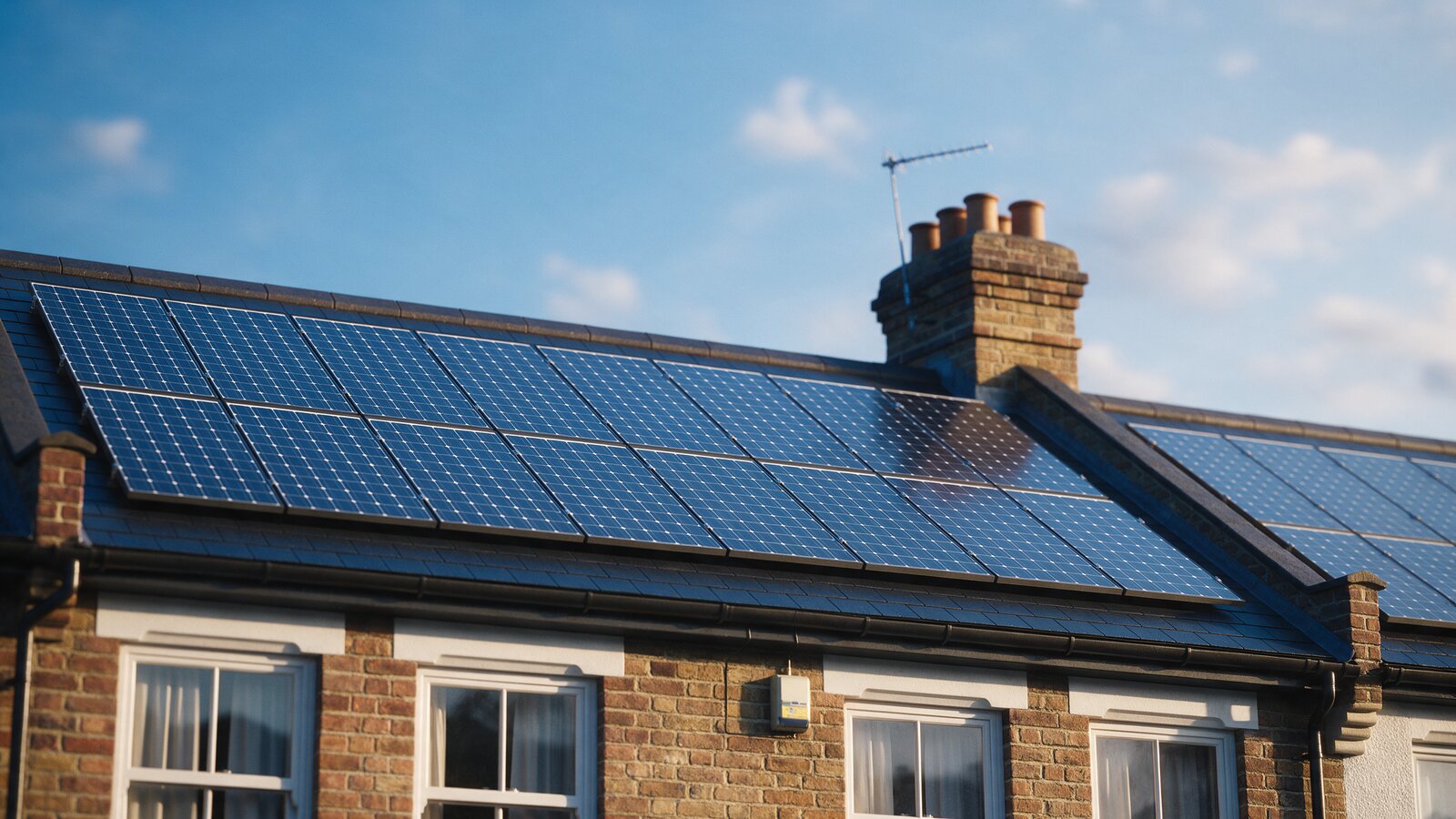
The Smart Export Guarantee is the scheme that lets people with solar panels and similar equipment be paid for electricity they send back to the grid. This guide explains who qualifies, what a supplier must do and how tax is treated.
What the Smart Export Guarantee is
The Smart Export Guarantee (SEG) began on 1 January 2020. It requires licensed electricity suppliers to offer at least one export tariff, meaning a price per unit, to small-scale low-carbon generators who send surplus electricity to the National Grid. Ofgem, the energy regulator, oversees it. The idea is simple: solar panels often produce more than a home uses at midday, and the unused electricity flows out through the grid. Under the SEG, that exported electricity is measured and paid for. The SEG pays only for electricity that is exported and metered, not for everything the panels generate. Payments are made by the supplier you choose to sign up with.
Who qualifies and what is required
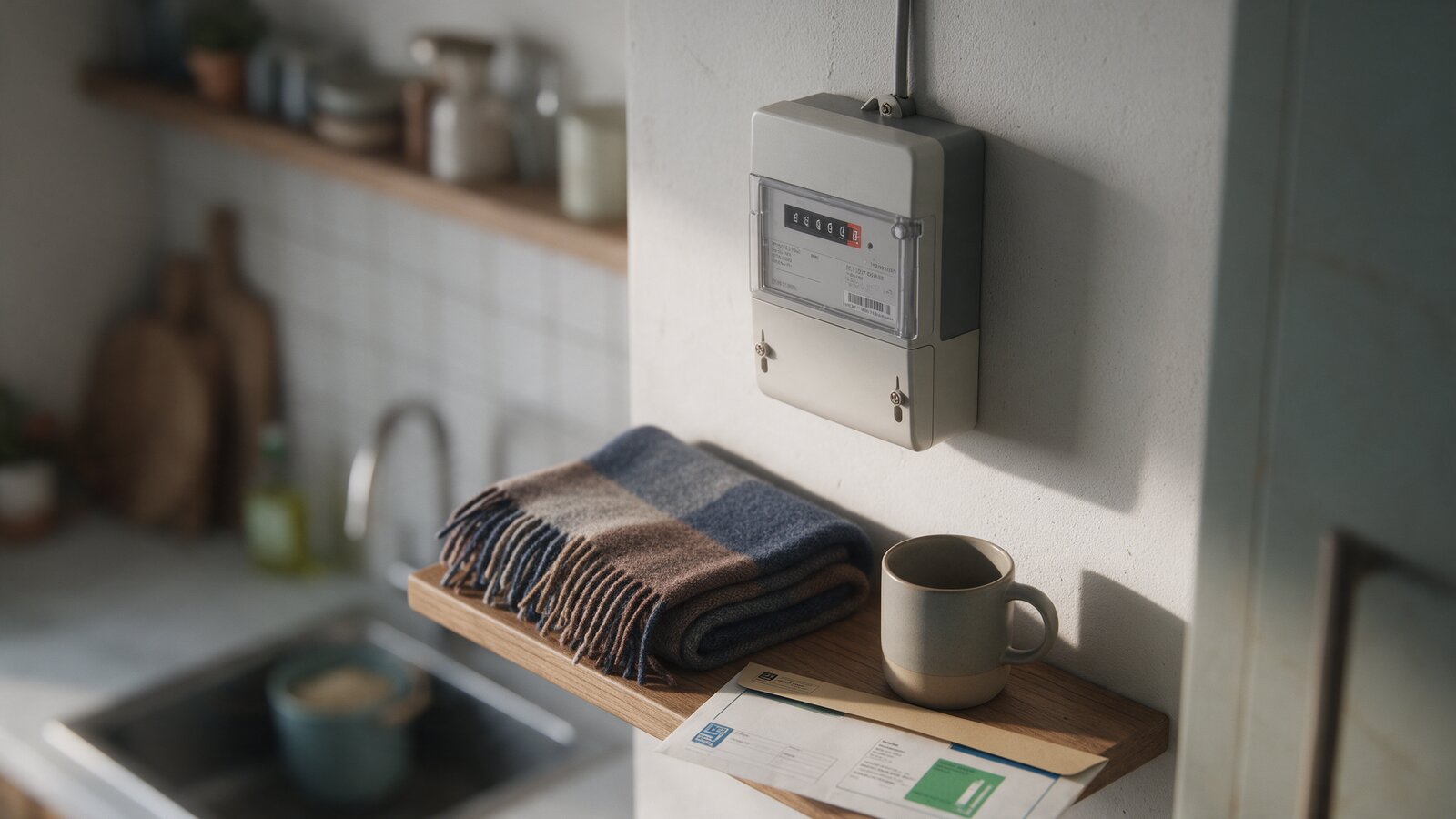
Ofgem lists the eligible technologies as solar photovoltaic (PV) panels, wind, hydro, anaerobic digestion and micro combined heat and power (micro-CHP). The limit is a total installed capacity of 5MW, or 50kW for micro-CHP; ordinary home solar systems are far below this. Ofgem's page describes installations in Great Britain, so this guide does not cover Northern Ireland. GOV.UK sets out two practical requirements. First, you need a meter that can provide half-hourly export readings, which is typically a smart meter. Second, your installation and installer must be certified under the Microgeneration Certification Scheme (MCS) or an equivalent accredited scheme. Ofgem's generator guidance adds that the installation needs an export MPAN, a 13-digit reference number identifying the export connection, and that a supplier is not obliged to start paying until it has export meter readings.
How the tariffs and payments work
Suppliers decide the rate, type and length of their own SEG tariff, subject to one rule: the rate must be greater than zero pence per kilowatt hour exported at all times. Ofgem's guidance explains that there could be a variety of tariffs, that payment frequency is confirmed by your supplier because there are no rules on it in the legislation, and that the written confirmation of terms forms your contract. GOV.UK says the supplier paying you does not need to be the one that supplies your electricity. Ofgem publishes a list of suppliers that offer SEG tariffs, and GOV.UK notes that you apply directly to the supplier. Because rates differ and can change, this guide does not quote or compare any rate. One option many people use is to read the terms carefully, including how often the rate can change and how often payments are made, before signing.
- You cannot receive a SEG tariff while you receive Feed-in Tariff export payments.
- If your export meter also records electricity from a source that is not SEG-eligible, such as a battery charged from the grid, a supplier may decline, pay for all of it, or ask for extra metering.
- If your meter cannot be read remotely, your supplier will discuss how readings are taken.
A worked example
The following figures are illustrative only and are not real rates. Suppose a home exports 1,800 kWh (kilowatt hours, the unit electricity is sold in) over a year, and the tariff pays 12p per kWh. Then 1,800 x £0.12 = £216 for the year. If the rate were 8p instead, the total would be 1,800 x £0.08 = £144. The difference of £72 shows why the terms matter, but the exported amount matters too: a home that uses more of its own solar electricity exports less. Exporting electricity is also only part of the picture, because every unit used at home instead of exported avoids buying that unit at the usual price. Whether a system pays back depends on many things this guide cannot judge for an individual household.
Tax on SEG income
HMRC's Business Income Manual (BIM40520) says income from selling electricity from a qualifying domestic microgeneration system is exempt from Income Tax where the system is installed at or near the individual's home and they intend that generation will not significantly exceed what is consumed there. The manual does not define 'significantly' and says it depends on the circumstances, but it gives a rule of thumb: a householder who does not intend to generate more than 20% in excess of their own domestic needs is unlikely to be regarded as exceeding consumption significantly. For example, a home that uses 4,000 kWh a year at the property would sit at 4,000 x 1.2 = 4,800 kWh on that rule of thumb. The manual's wording mainly discusses feed-in tariff payments and does not separately deal with SEG payments, so anyone with a larger system, a business or a second property can check with HMRC or a qualified tax adviser.
Common mistakes and where to get help
A frequent mix-up is assuming the SEG pays for all solar generation, when it pays only for what is exported and metered. Another is assuming any installer qualifies; without suitable certification a supplier is not obliged to offer SEG payments, although it may choose to. If you have a complaint, Ofgem's guidance says to raise it with the supplier first and, if it cannot be resolved, it may be referred to the Energy Ombudsman. Free, impartial advice on energy is also available from Citizens Advice. This guide is general information, not advice, and applies to people with eligible generation in Great Britain; it does not apply to Northern Ireland or to systems above the limits.
Check before you act
Rules, tariffs and tax guidance can change, so confirm the details on the official pages linked below before making any decision.
Sources
For information only. See our disclaimer and editorial standards. Spotted an error? Tell us.