Pfizer (PFE): Q3 sales flat at $16.6bn but the company raises its 2026 forecast
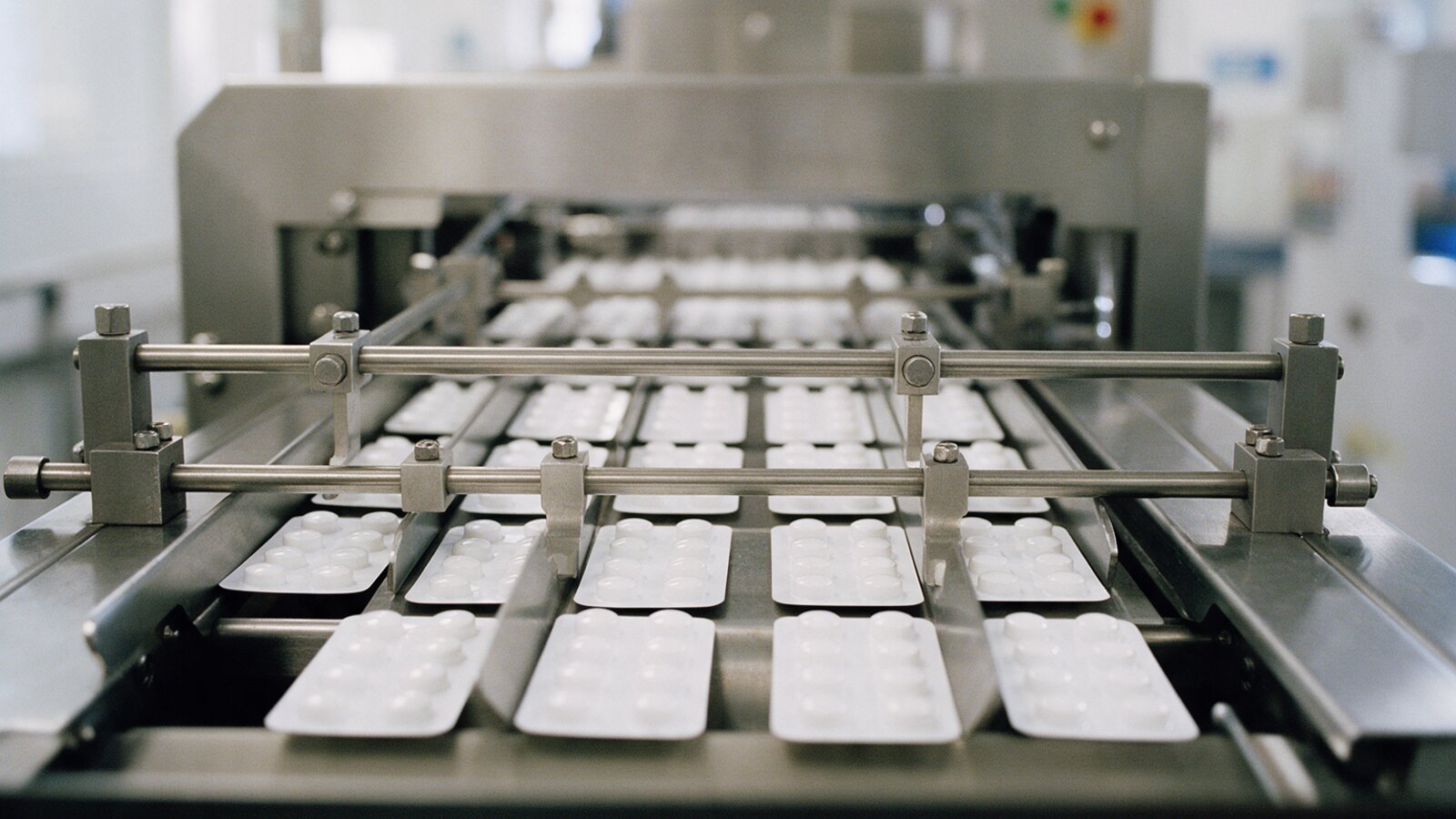
Pfizer, the US drugmaker, reported third-quarter sales of $16,583m, almost level with a year earlier, and adjusted profit of $0.87 a share, also level. Even so, it raised its own 2026 forecast for sales to $62.0bn to $64.0bn, as growth in medicines such as Eliquis and Padcev offset a steep fall in COVID products.
What happened
On 3 November 2026 Pfizer published results for the three months to 27 September. Sales were $16,583m, against $16,654m a year earlier, a fall of $71m, and $15,034m in the second quarter. Profit after all costs and tax (net income, official GAAP basis) was $3,242m, against $3,541m, or $0.56 a share against $0.62. On the company's adjusted basis, which leaves out items such as one-off deal charges and the cost of buying other companies' assets, profit per share was $0.87 in both years. Pfizer said that excluding its two COVID products, Comirnaty (the vaccine) and Paxlovid (the treatment pill), sales grew 7% after stripping out currency effects, and that medicines it has launched or bought in recent years grew 32%. It also named Cecile Guegan as chief financial officer from 1 November 2026.
The numbers, explained
Start with the headline. Sales fell 0.4% (71 divided by 16,654), so the company calls the quarter flat. Underneath, two forces cancelled out. The two COVID products brought in $1,257m (808 plus 449), against $2,376m (1,151 plus 1,225) a year earlier, a drop of $1,119m. Everything else grew from about $14,278m to $15,326m, a rise of $1,048m or 7.3%, which matches the company's 7% figure. Among the biggest products, Eliquis, the blood thinner, rose from $2,015m to $2,523m (up 25%), Padcev, a cancer medicine, from $464m to $720m (up 55%), and Vyndaqel, a heart medicine, from $1,591m to $1,773m (up 11%). Prevnar, the pneumonia vaccine family, fell from $1,742m to $1,564m (down 10%). Paxlovid fell 63% and Comirnaty 30%.
Now profit. GAAP profit per share fell 6 cents, from $0.62 to $0.56, while adjusted profit per share stayed at $0.87. The difference is partly a one-off charge of $650m for acquired research rights from a licensing and collaboration deal with Innovent Biologics, a Chinese drug developer. Pfizer says that charge cost about 10 cents a share and is counted within the quarter's results. Compared with what experts expected, two outside outlets put analyst forecasts at about $15.9bn of sales and $0.73 of adjusted profit per share. On those estimates, sales came in about 4% higher and adjusted profit per share was 14 cents, or 19%, higher (0.14 divided by 0.73). Those forecasts are estimates, not facts, and the two outlets differ slightly on the sales figure ($15.87bn and $15.91bn).
Why it matters
Pfizer makes money by selling prescription medicines and vaccines, mostly through governments, insurers and pharmacies. Sales of COVID products have been shrinking, and this quarter shows how large that effect still is: roughly $1.1bn less from just two products. The 7% growth in everything else suggests the rest of the business is expanding, helped by newer cancer medicines. Yet the picture is mixed. Pfizer says about $1.1bn of 2026 sales will be lost to cheaper generic and biosimilar copies of its medicines, and on the earnings call management said Eliquis faces losing its exclusive protection outside the US at the end of 2026. In our view, the split between growing and shrinking products tells readers more than the flat total.
The forecast changes are the company's own, not facts. For the full year 2026 Pfizer now expects sales of $62.0bn to $64.0bn, up from $60.5bn to $62.5bn in its August forecast, so the middle of the range rises from $61.5bn to $63.0bn, an increase of $1.5bn or about 2.4%. It expects adjusted profit per share of $2.95 to $3.05, up from $2.80 to $3.00, so the middle moves from $2.90 to $3.00, a rise of 10 cents. That new range already includes the Innovent charge of about 10 cents. Nine-month sales were $46,067m, so the sales range implies fourth-quarter sales of about $15.9bn to $17.9bn (62.0 minus 46.067, and 64.0 minus 46.067). Pfizer also says about $4bn of COVID product sales are expected in 2026, mostly in the autumn vaccination season, according to the earnings-call transcript.
What to watch next
Pfizer said on its earnings call that it will give formal guidance for 2027 in mid-December 2026, and the next quarterly report, for the three months to 31 December, will show whether sales land inside the range it has set for the fourth quarter. The company also named late-stage trial updates it expects, including data for its multiple-myeloma medicine Elrexfio from a trial called MagnetisMM-5 at a medical meeting before the end of 2026, and an update on talks with the US regulator, the FDA, about its Lyme disease vaccine in the fourth quarter. These are the company's stated plans, not guarantees. We have not found a confirmed date for the fourth-quarter results release, so we state none.
- Adjusted profit: profit with certain one-off and acquisition-related items left out; it is not an official (GAAP) measure
- Operational growth: growth with the effect of currency movements removed
- Generic and biosimilar: cheaper copies of a medicine sold after its exclusive protection ends
Sources
More on Pfizer (PFE) · Healthcare takes
For information only. Not financial advice. See our disclaimer and editorial standards. Spotted an error? Tell us.