IDEXX (IDXX): Q3 sales up 10% to $1.2bn and the company raises its 2026 profit forecast
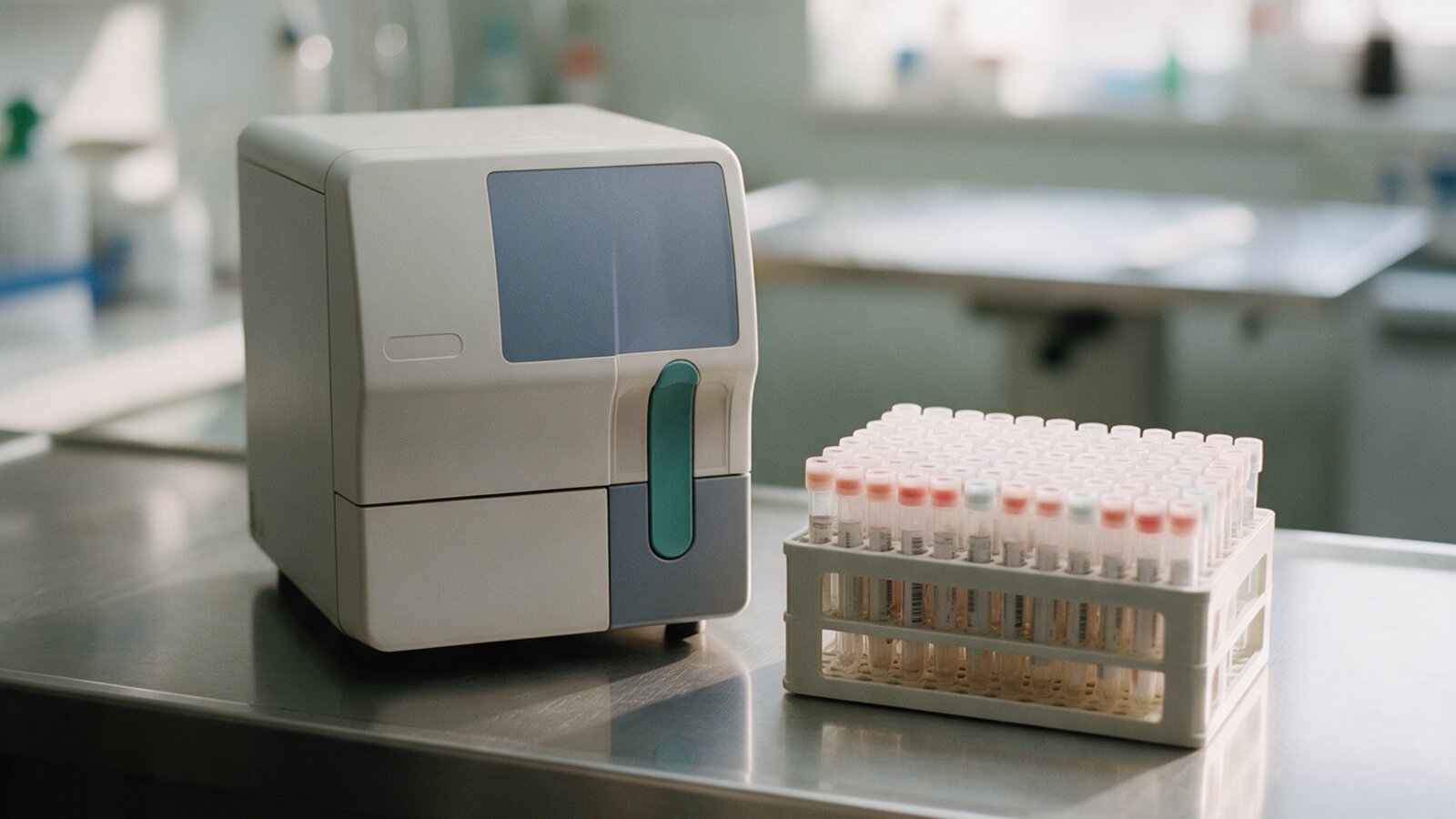
IDEXX, the Maine company that sells blood and urine testing equipment and lab services to vets, reported third-quarter sales of $1,214.2m, up about 10% from a year earlier, and profit per share of $4.01 against $3.40. It raised its own forecasts for 2026 sales and profit per share, but trimmed its forecast for how much profit it keeps from each dollar of sales.
What happened
On 2 November 2026 IDEXX Laboratories published results for the three months to 30 September. Sales were $1,214.2m, against $1,105.2m a year earlier. Net income, the profit after all costs and tax, was $317.1m against $274.6m, and diluted profit per share (profit divided by all shares, counting those that could be created from options) was $4.01 against $3.40. The company also raised its full-year 2026 forecast: sales of $4,741m to $4,767m (previously $4,700m to $4,745m) and profit per share of $14.96 to $15.16 (previously $14.69 to $14.94). Chief executive Mike Erickson called the quarter "exceptional" and credited strong same-store volume growth, new products and net customer gains. These are the company's reported (US GAAP) figures in US dollars unless we say otherwise.
The numbers, explained
Start with sales. The rise of $109.0m (1,214.2 minus 1,105.2) is 9.9% of last year's figure, which the company rounds to 10%; excluding currency moves, the "organic" growth was also 10.0%. The core of the business is its Companion Animal Group, which sells to vets who treat pets. Its sales were $1,116.0m, up 10.2%. Within it, recurring diagnostics revenue, the repeat sales of test consumables and lab services that make up most of the business, rose from $873.3m to $967.4m, up 10.8%. Sales of the analysers themselves were flat at $51.5m. By region, the company reports organic recurring growth of 9.6% in the US and 13.6% internationally. The release gives no split between higher prices and higher volumes, but it does say net price gains helped, and that sales of rapid tests (quick single-use pet tests) rose on price while testing volumes were lower.
Now profit. The company kept about 62.9 cents of each dollar of sales after the direct costs of making and delivering them (gross margin), against 61.8 cents a year earlier, and 33.1 cents after running costs (operating margin), against 32.1 cents. Net income rose 15.5% (317.1 minus 274.6 is 42.5, divided by 274.6). Profit per share rose faster, 17.9% (0.61 divided by 3.40), because buybacks cut the diluted share count from 80.675m to 79.049m, a fall of 2.0%. The company also reports a "comparable" figure that removes currency effects, share-based pay tax effects and last year's legal items: $3.96 against $3.24, up 22%. The reported $4.01 includes a $0.03 one-off gain on an equity investment and a $0.04 benefit from exchange rates. Free cash flow, the cash left after running the business and buying equipment, was $420.8m against $371.2m, up 13.4%, or about 133% of net income.
Why it matters
IDEXX earns most of its money from a razor-and-blade model: vets install its analysers, then keep buying the test cartridges and sending samples to its labs, so each machine placed leads to years of repeat sales. That makes the recurring line the figure to follow. It grew double digits even though, as an October preview from Finviz reported, US same-store visits to vets fell an estimated 1.3% in the second quarter and wellness visits fell 3.4%, with management planning for roughly a 1.5% fall in US visits in the second half. This release does not give third-quarter visit numbers. It says instead that new tests are adding revenue per visit: it reports more than 1,900 placements of its inVue Dx analyser in the quarter, and describes its Cancer Dx test as becoming a multi-cancer panel. For pet owners, that means more tests offered during a visit; for rival lab and equipment makers, it shows a large competitor still growing faster than the visits it depends on.
The forecast change has two sides. Raising profit per share by about 1.7% at the midpoint (from $14.815 to $15.06) is the company's own forecast, not a fact. But it lowered its expected operating margin for 2026 to 32.1%-32.3% from 32.3%-32.5%, so it now expects to keep slightly less of each sales dollar than it said in August. Taking our own subtraction of the nine-month profit per share of $11.75 from the new full-year range implies $3.21 to $3.41 for the fourth quarter. That is arithmetic from the company's forecast, not a separate guide. The company also bought back 199,000 shares for $111.8m in the quarter, against 411,000 shares for $241.6m a year earlier, a 53.7% smaller spend.
What to watch next
IDEXX did not give a date for its fourth-quarter results in the release, so we state none. The one dated item is an investor and analyst session at the VMX veterinary conference in Orlando on 18 January 2027 at 1:00 p.m. Eastern time. The next filings will show whether recurring diagnostics growth stays near the 10.3% to 11.0% organic range the company now forecasts for 2026, whether vet visit trends move from the roughly 1.5% second-half decline it assumed, and whether the lower operating margin forecast holds. Analysts had expected profit per share of about $3.71 and sales of about $1.19bn for the quarter (an AP survey of six analysts by Zacks); estimates vary by source, so we treat them as context, not as a measure of success.
- Recurring revenue: repeat sales of test consumables and lab services, as opposed to one-off equipment sales
- Organic growth: growth excluding currency moves and acquisitions
- Gross margin: the share of sales left after the direct cost of delivering them
Sources
More on IDEXX (IDXX) · Healthcare takes
For information only. Not financial advice. See our disclaimer and editorial standards. Spotted an error? Tell us.