J.B. Hunt Transport Services (JBHT): Sales jump 20% in Q3, but fuel and driver costs hold profit growth to 1%
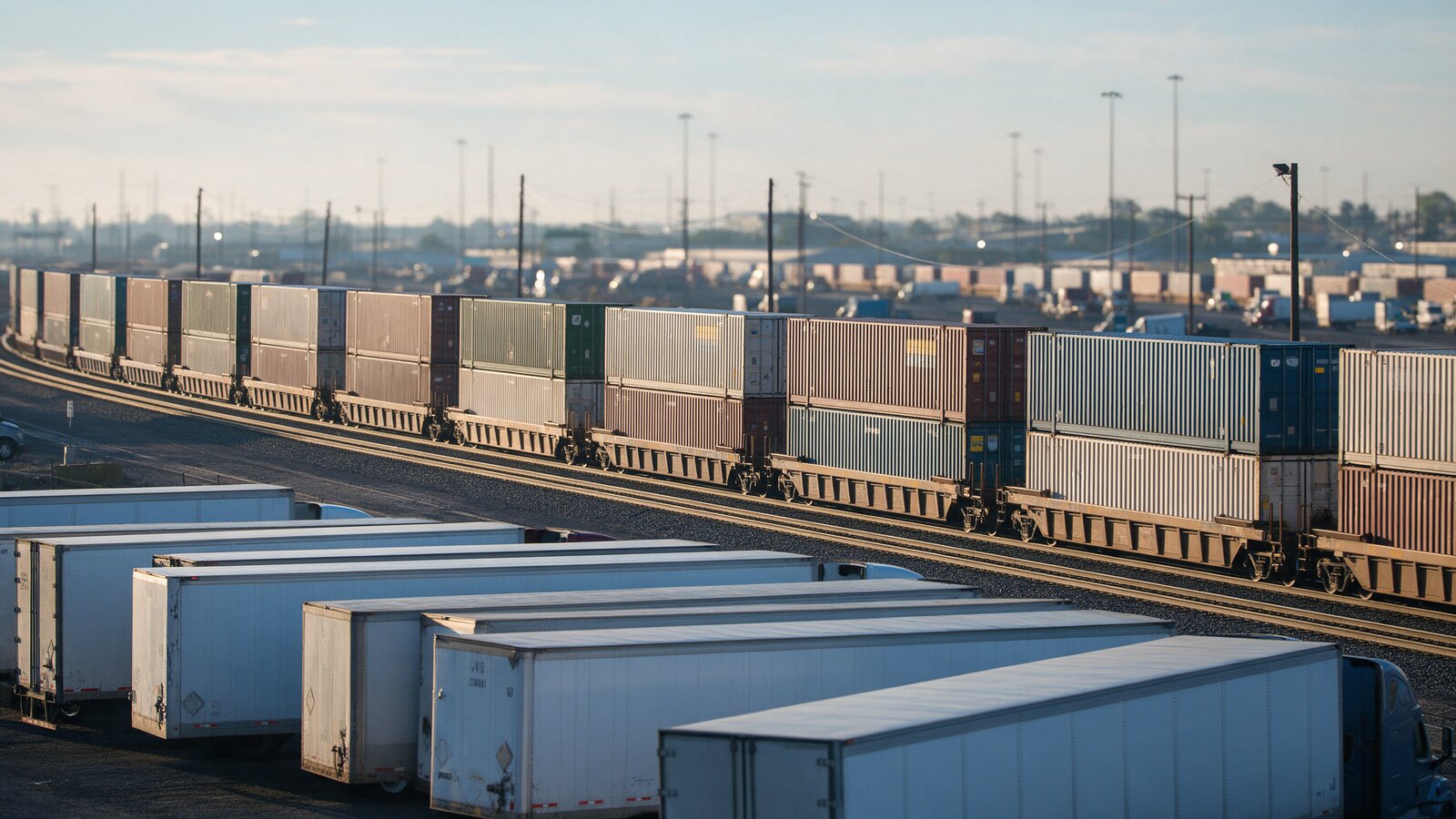
J.B. Hunt, the US freight company that moves goods by rail-and-truck, dedicated fleets and brokerage, said on 15 October 2026 that third-quarter sales rose 20% to $3.68bn while profit rose just 1% to $172.4m. Profit per share was $1.82, one cent above what analysts expected. Higher fuel, driver and insurance costs absorbed most of the extra sales.
What happened
On Thursday 15 October 2026 J.B. Hunt published results for the quarter ended 30 September. Total operating revenue, which is its sales, was $3,676.8m against $3,052.9m a year earlier. Net earnings, its profit after all costs and tax, were $172.4m against $170.8m. On the US accounting basis (GAAP), diluted earnings per share, the profit attributed to each share, were $1.82 against $1.76. Sales beat the average analyst forecast of $3.59bn and profit per share beat $1.81, according to Talk Business, which cites 22 analysts; those are analyst estimates, not company figures.
The result had been partly flagged. On 16 September the company warned that third-quarter profit per share could fall 5% to 10% compared with the second quarter, because of about $25m of extra driver-related costs and at least $10m of extra fuel costs, according to FreightWaves. Shares fell about 12% in early trading that day. On results day, Talk Business reported the shares closed at $235.31, up 1.36%, then traded at $229.87 in after-hours trading, down 2.31%. We could not confirm the next day's closing price.
The numbers, explained
Start with how sales grew. Total sales rose by $623.9m, or 20.4% (623.9 divided by 3,052.9). But $285.2m of that came from fuel surcharges, the extra fee customers pay when diesel prices rise: $670.8m against $385.6m, up 74%. Take surcharges out and sales were $3,006.0m against $2,667.3m, up $338.7m or 12.7%, which the company rounds to 13%. So the underlying growth was real, but the headline 20% flatters it, because surcharges only recover fuel costs and carry little profit of their own.
Now the profit side. Operating income, profit from running the business before interest and tax, was $247.1m against $242.7m, up 1.8%. Operating margin, the share of each sales dollar left as operating profit, fell from 7.9% to 6.7% (247.1 divided by 3,676.8, against 242.7 divided by 3,052.9). Measured on sales excluding surcharges, our working gives 8.2% against 9.1%. Costs explain it: rents and purchased transportation, a line that includes payments to rail and outside trucking partners, rose 31.9% to $1,757.8m; fuel expense rose 58.8% to $260.4m; insurance and claims rose 23.0% to $100.9m; salaries, wages and benefits rose 6.6% to $876.7m.
Profit per share grew faster than profit because the share count shrank. Net earnings rose 0.9% (172.4 divided by 170.8), yet profit per share rose 3.4% ($1.82 against $1.76), as average diluted shares fell 2.3%, from 96.8m to 94.6m. In the third quarter the company bought back about 704,000 shares for about $174m, roughly $247 each by our arithmetic, with about $619m left in its repurchase authorisation. Total debt was $1,123.8m at 30 September, down from about $1.60bn a year earlier, a fall of about 30%. Net capital spending over nine months was $291.1m against $490.9m, down 40.7%.
Why it matters
J.B. Hunt earns money in five businesses. Intermodal, its largest, packs containers onto trains for the long leg and uses trucks at each end. Sales were $1,827.6m, up 20%, on 585,582 loads, up 8%, and operating income rose 18% to $147.5m, about 60% of the company's total. Dedicated runs fleets of trucks for single customers: sales rose 11% to $960.2m but operating income fell 21.6% to $81.7m from $104.3m. Our working: that is a margin of 8.5% against 12.1%, since driver pay rises hit it first. Brokerage, which arranges loads on other carriers' trucks, swung to a $9.6m profit from a $0.8m loss.
For customers and rivals the message is about pricing. Chief executive Shelley Simpson said the "largest opportunity ahead of us is ensuring our pricing reflects the value we create", and chief financial officer Brad Delco said of the cost increases that "these costs are real, but the context matters", according to Talk Business. Talk Business also reports that costs cut operating income by more than $50m compared with the second quarter, over half from driver-related items. In September management called the cost rise "more of a timing issue", because its intermodal and dedicated businesses adjust prices to cost changes slowly, according to FreightWaves; if prices lag costs, profit is squeezed in between.
What to watch next
The company's own stated points are few. It said it expects a full-year 2026 tax rate of about 24.0%, below the 25.5% charged this quarter, and it gave no sales or profit forecast. Mr Delco's remarks suggest pricing is the lever, but the release gives no figures or dates for price increases. The sources we read do not give a date for fourth-quarter results, so we give none. The figures to compare then will be operating margin against this quarter's 6.7%, Dedicated operating income against $81.7m, and Final Mile Services, where stops fell about 10% and operating income fell 76% to $1.6m. We make no forecast.
- Intermodal: freight moved in containers that travel by rail for the long leg and by truck at each end.
- Fuel surcharge: an extra fee customers pay when fuel prices rise, meant to recover higher fuel costs.
- Operating margin: operating profit as a share of sales.
Sources
More on J.B. Hunt Transport Services (JBHT) · Industrials takes
For information only. Not financial advice. See our disclaimer and editorial standards. Spotted an error? Tell us.