Smart meters: what they do, what they cost and your right to say no
Published · 3 min read · Figures checked . UK rules and rates change, so check the official sources below before you act.
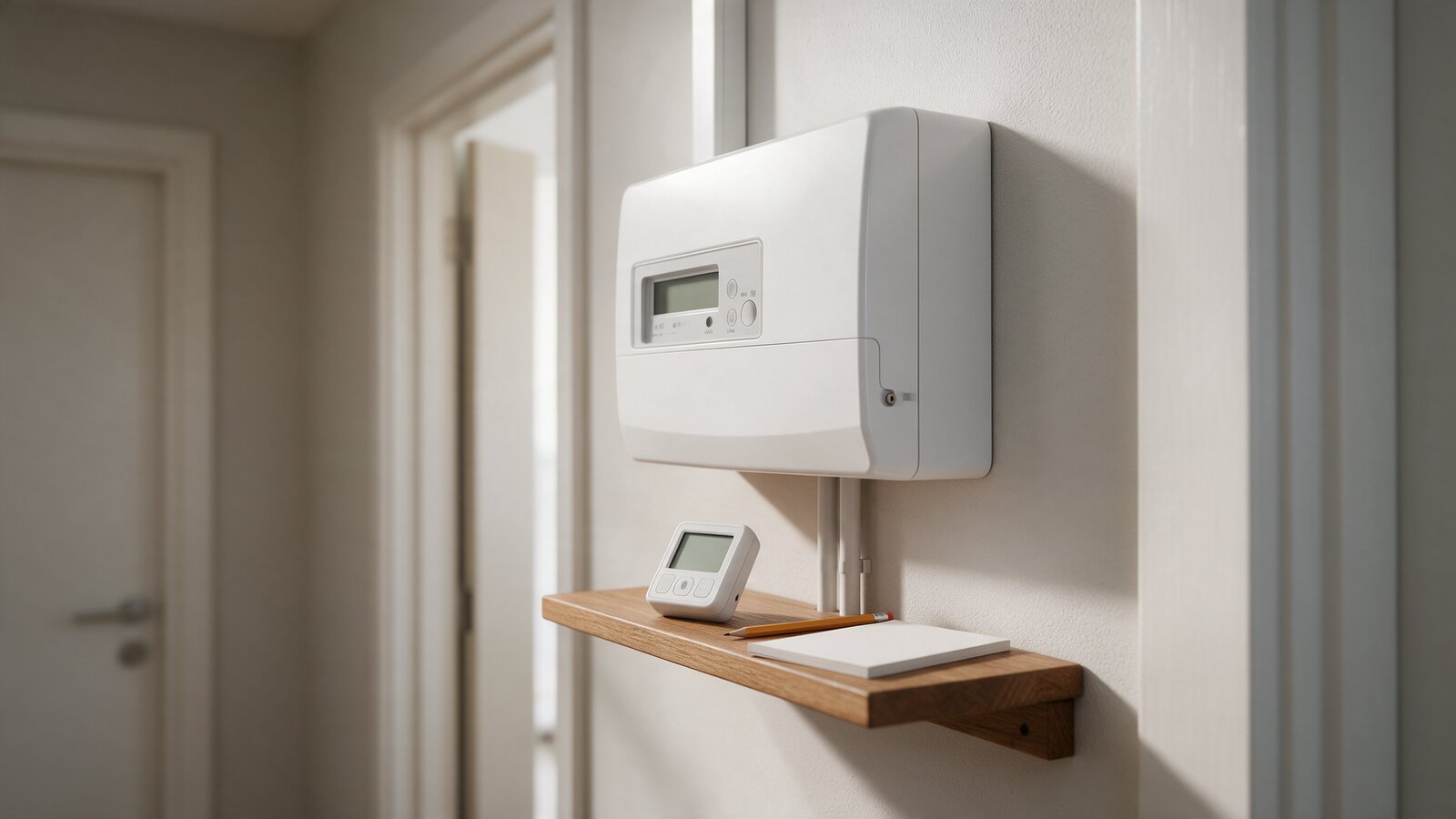
A smart meter sends your gas and electricity readings to your supplier automatically. This guide explains what one does, what it costs, when you can say no, what to do about faults, and where to complain.
What a smart meter does
A smart meter sends your electricity and gas readings to your energy supplier automatically. That means bills are based on actual use rather than estimates, and you do not need to send readings yourself. It usually comes with an in-home display, a small screen that shows how much energy you are using.
A smart meter does not save money by itself. Any saving depends on what you do with the information, or on whether you choose a tariff that needs a smart meter. Some flexible tariffs, such as those where energy is cheaper at quieter times, are only open to people with one.
What it costs
- Citizens Advice and Ofgem both say getting a smart meter is free.
- Suppliers should offer an in-home display during the installation and show you how to use it.
Can you say no?
Citizens Advice says you do not have to accept a smart meter if you do not want one. The main trade-off is that some cheaper tariffs may in future be offered only to people who have one.
There is a middle option. You can ask your supplier to fit a smart meter with its extra functions switched off. It then works like your old meter and sends no readings to the supplier. Suppliers may not all offer this, so it is worth asking.
There are exceptions. If an old gas meter is unsafe it may have to be replaced, and you might not be able to refuse a smart meter in that case. Older radio teleswitch (RTS) meters rely on a radio signal that has been switched off, and Ofgem says support for them has ended, so your supplier will contact you about replacing them.
Your data
GOV.UK says you have control over who can access the energy use data from your smart meter, other than for regulated purposes such as billing. Ofgem says suppliers can use your data to offer new products or services only if you have given permission.
Renting, switching and prepayment
- If you pay for your energy, GOV.UK says you should be able to book an installation wherever it is expected to work in your property, whether you own or rent.
- You can still switch supplier with a smart meter. Citizens Advice suggests checking beforehand that the meter will keep working in smart mode afterwards.
- Prepayment customers can have smart prepayment mode, with online top-ups and emergency credit. Emergency credit must be repaid at the next top-up.
- GOV.UK says smart meters should only be in prepayment mode if that is safe and suitable for you.
If something goes wrong
If a smart meter stops recording or sending readings, Ofgem points to Citizens Advice for troubleshooting steps. For complaints, GOV.UK says to contact your supplier first, which has 8 weeks to investigate and resolve the problem. If you are still unhappy, you can take the complaint to the Energy Ombudsman. Citizens Advice also runs a consumer helpline if a supplier insists on replacing a meter you want to keep.
Check before you act
Rules, compensation amounts and supplier offers change. Please confirm the details on the official pages linked below, or with your supplier, before you book or refuse an installation.
Sources
For information only. See our disclaimer and editorial standards. Spotted an error? Tell us.