Buying a home in Scotland or Wales: how LBTT and LTT work
Published · 3 min read · Figures checked . UK rules and rates change, so check the official sources below before you act.
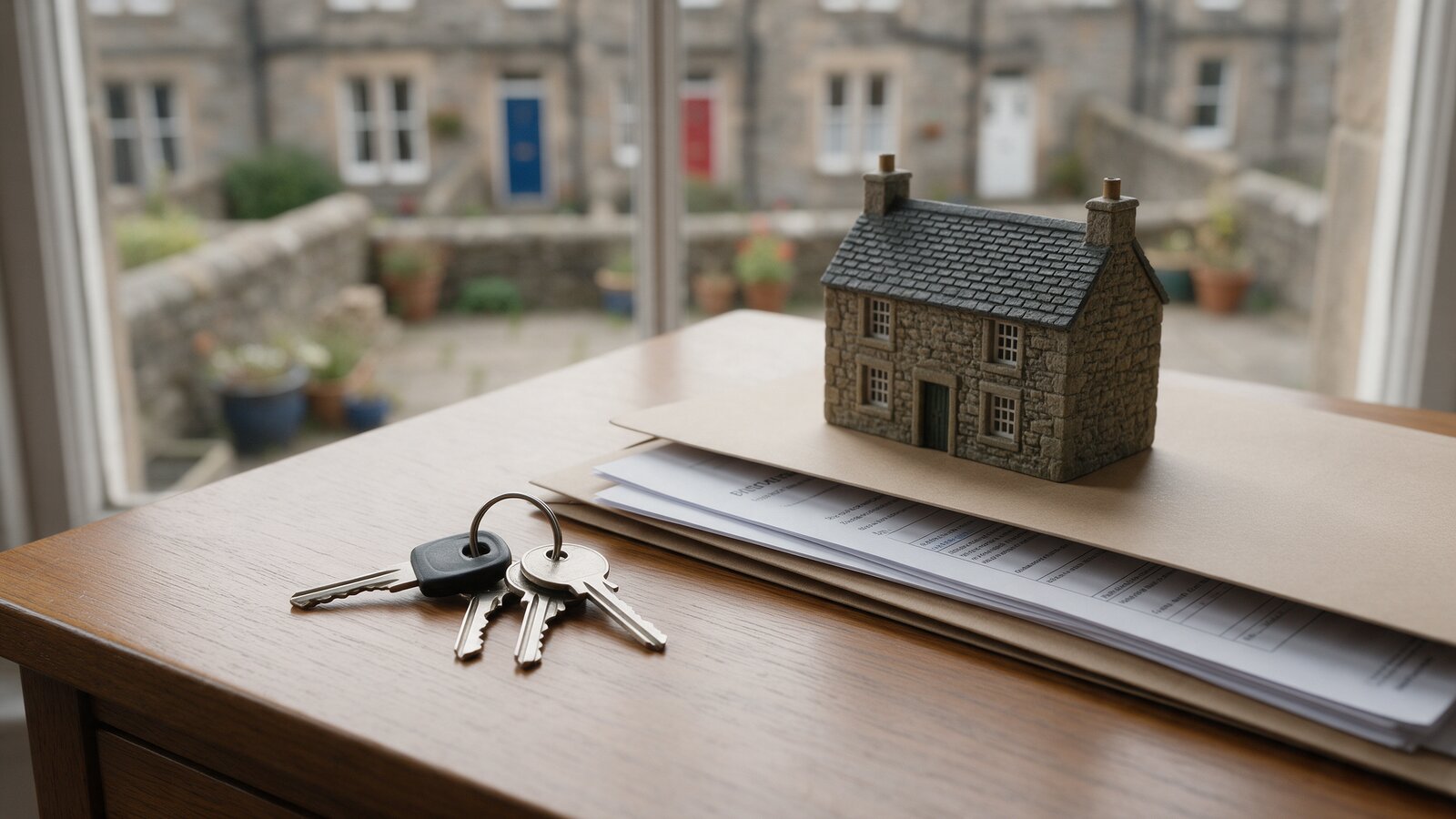
People buying a home in Scotland pay Land and Buildings Transaction Tax, and in Wales Land Transaction Tax. This guide sets out the rates, bands and extra charges for second homes, as checked on official pages on 13 October 2026.
Who this guide is for
This guide is general information for people buying residential property in Scotland or Wales. It does not cover England and Northern Ireland, where Stamp Duty Land Tax applies, or commercial property. It is not advice for your own purchase.
The figures below were checked on Revenue Scotland and Welsh Government pages on 13 October 2026. Property tax rates can be changed in a Budget, so the date matters.
Two taxes instead of Stamp Duty
Scotland and Wales each set their own tax on property purchases. In Scotland it is called Land and Buildings Transaction Tax (LBTT) and is run by Revenue Scotland. In Wales it is Land Transaction Tax (LTT), which replaced Stamp Duty Land Tax from 1 April 2018 and is collected by the Welsh Revenue Authority.
Both taxes are charged in slices, a bit like Income Tax. Each rate applies only to the part of the price inside that band, not to the whole price.
Scotland: residential LBTT rates
- Up to £145,000: 0%
- £145,001 to £250,000: 2%
- £250,001 to £325,000: 5%
- £325,001 to £750,000: 10%
- Over £750,000: 12%
First-time buyers relief raises the 0% band to £175,000. Revenue Scotland says this reduces the tax by up to £600.
If you buy an additional home, the Additional Dwelling Supplement (ADS) can apply. It is 8% of the price for contracts entered into on or after 5 December 2024, and it applies only if the price is £40,000 or more. An earlier 6% rate can still apply to some older contracts. A repayment may be possible if the previous main home is sold within 36 months of buying the new one.
Wales: main residential LTT rates
- Up to £225,000: 0%
- £225,001 to £400,000: 6%
- £400,001 to £750,000: 7.5%
- £750,001 to £1,500,000: 10%
- Over £1,500,000: 12%
These rates apply to dates from 10 October 2022. The Welsh Government page does not mention a separate first-time buyer relief.
Wales: higher residential rates
If you already own one or more homes when you buy another, you may need to pay the higher residential rates. The Welsh Government says that if you are replacing your main home, the higher rates may not apply. Companies buying residential property must pay them, and trusts may have to.
- Up to £180,000: 5%
- £180,001 to £250,000: 8.5%
- £250,001 to £400,000: 10%
- £400,001 to £750,000: 12.5%
- £750,001 to £1,500,000: 15%
- Over £1,500,000: 17%
These apply to dates from 11 December 2024. They do not apply where contracts were exchanged before that date.
Reporting and paying
In Wales, the buyer works out and reports the tax themselves, and the return and payment are due 30 days after completion. In Scotland, the tax is reported on an LBTT return, and any ADS goes on the same return and is paid at the same time. Many buyers have a solicitor or conveyancer handle this, and it can be worth asking who will file the return.
Who this does not apply to
Buyers in England and Northern Ireland pay Stamp Duty Land Tax, which has different bands and reliefs. Anyone moving between the nations should check the rules for the place where the property is.
Check before you act
Rates, bands and reliefs change, and some depend on your own circumstances. It is worth confirming the figures on the official pages linked below. Free guidance on buying a home is available from MoneyHelper.
Sources
For information only. See our disclaimer and editorial standards. Spotted an error? Tell us.