TSMC (TSM): Q3 profit jumps 69% to NT$763 billion as 2nm chips start to ramp
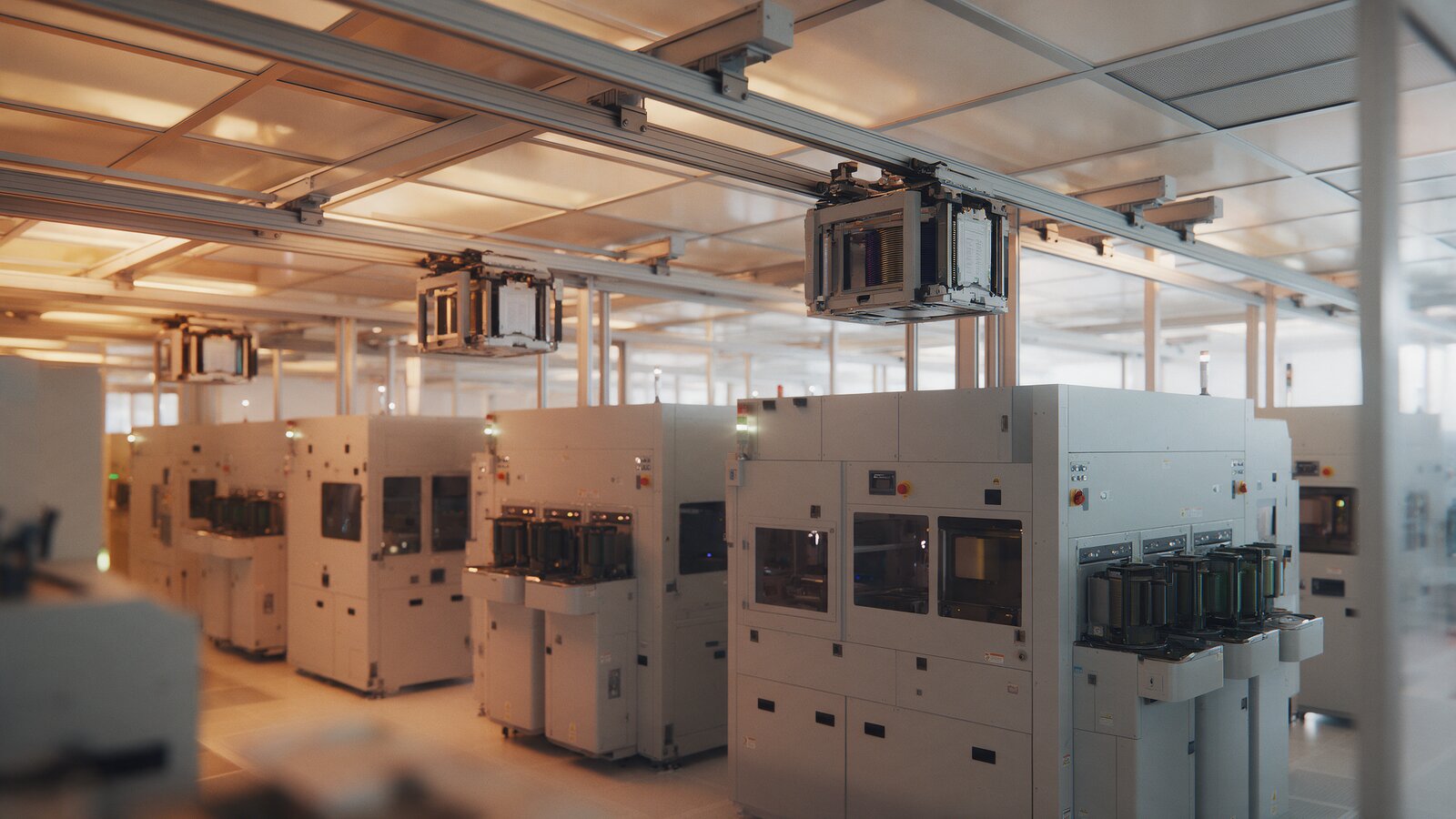
TSMC, the Taiwanese company that makes most of the world's most advanced computer chips for other firms, reported third-quarter profit of NT$763.06 billion, up 68.7% from a year earlier. Sales rose 50.9% to NT$1,494.24 billion, about US$46.7 billion. The company's own forecast for the fourth quarter is sales of US$52.3 billion to US$54.3 billion.
What happened
On 15 October 2026 TSMC published results for the third quarter, the three months to 30 September. Consolidated sales were NT$1,494.24 billion (New Taiwan dollars), against NT$1,270.38 billion in the second quarter and NT$989.92 billion a year earlier. In US dollars that is US$46.72 billion. Net income attributable to shareholders was NT$763.06 billion, and diluted profit per share was NT$29.43, which works out at US$4.60 for each US-listed share certificate (ADR). TSMC is a "foundry": it does not design chips but manufactures them for customers who do, so its sales are a read on demand across the chip industry. The figures are as reported, not adjusted.
The mix of what TSMC made shifted towards its newest technology. Its 2-nanometre process, the most advanced it sells, supplied 8% of wafer sales, up from 3% in the second quarter and effectively nothing a year ago. The 3-nanometre process supplied 33%, 5-nanometre 28% and 7-nanometre 10%, so chips at 7nm or finer made up 79% of wafer sales. A smaller number of nanometres means smaller transistors, which generally means faster, more power-efficient chips. By end market, high-performance computing, which includes the processors used in artificial-intelligence data centres, was 68% of sales, against 66% last quarter and 57% a year ago; smartphones fell to 21% from 30%.
The numbers, explained
Our working on the headline figures, using the NT$ billions in TSMC's management report: sales rose 17.6% on the second quarter (1,494.24 divided by 1,270.38 is 1.176) and 50.9% on a year ago (1,494.24 divided by 989.92 is 1.509). Net income rose 8.0% on the second quarter (763.06 divided by 706.56) and 68.7% on a year ago (763.06 divided by 452.30). Profit per share rose from NT$17.44 to NT$29.43, about 69%. The sales growth is smaller in US dollars, 41.2%, because the Taiwan dollar was weaker against the dollar than a year ago (an average of 31.98 per US dollar, against 29.91), which lifts sales counted in Taiwan dollars. Wafer shipments, the physical volume, rose 9.6% to 4.48 million 12-inch equivalents, so most of the sales growth came from higher prices, a richer product mix and the weaker currency rather than from more wafers.
Margins show how much TSMC keeps. Gross profit, sales minus the direct cost of making the chips, was NT$992.38 billion: 66.4% of sales (992.38 divided by 1,494.24), so it keeps about 66 Taiwan cents of each dollar of sales after production costs. That is 1.3 percentage points lower than the second quarter's 67.7%, which TSMC attributes mainly to the early, costly ramp of 2nm, but 6.9 points higher than a year ago. Operating profit was NT$876.45 billion, a 58.7% margin, up 75.0% on the year. Operating expenses rose 32.7% to NT$116.43 billion. Net profit margin was 51.1%, down from 55.6% in the second quarter, partly because non-operating gains were NT$34.59 billion against NT$95.83 billion.
Why it matters
TSMC makes money by charging customers for wafers, the round silicon discs on which chips are printed, and the leading-edge ones are the hardest to make and the most expensive. Its biggest customers are firms designing AI processors and smartphone chips, and 79% of its sales came from North America-based customers. Because few rivals can make chips at 3nm and below at this scale, TSMC's results are an early indicator of how much AI hardware the world's technology companies are actually ordering, not just announcing. That makes them relevant to chip designers, equipment makers such as ASML, and the data-centre builders that buy the finished chips.
The cost of staying ahead is large. Capital expenditure, money spent on factories and equipment, was US$13.84 billion in the quarter, against US$15.70 billion in the second quarter, and US$40.64 billion for the first nine months of 2026. Operating cash flow was NT$919.77 billion; after NT$443.21 billion of spending on equipment and buildings, free cash flow, the cash left over, was NT$476.56 billion. Cash and marketable securities stood at NT$4,016.98 billion. Part of the cash came from NT$198.74 billion of "other investing" inflows, which TSMC attributes mainly to US Treasury investment tax credits for its US factories. These are the company's reported figures.
What to watch next
TSMC's own forecast for the fourth quarter, which is a company statement and not an independent estimate, is sales of US$52.3 billion to US$54.3 billion, a gross margin of 65% to 67% and an operating margin of 56.5% to 58.5%, assuming 31.8 Taiwan dollars per US dollar. Against third-quarter sales of US$46.72 billion, that range is 11.9% to 16.2% higher (our working: 52.3 and 54.3 each divided by 46.72). TSMC's board has approved a cash dividend of NT$7.00 per share for the second quarter of 2026, with an ex-dividend date of 10 December 2026, a record date of 16 December and payment on 7 January 2027. We did not find a confirmed date for the fourth-quarter results in the sources we read, so check TSMC's investor relations site.
- Key terms in plain words
- Foundry: a factory that makes chips designed by other companies.
- Nanometre (nm): the unit used to name chip generations; smaller generally means more advanced.
- Gross margin: the share of sales left after the direct cost of production.
- Free cash flow: operating cash flow minus spending on equipment and buildings.
Sources
More on TSMC (TSM) · Semiconductors takes
For information only. Not financial advice. See our disclaimer and editorial standards. Spotted an error? Tell us.