Steel Dynamics (STLD): Q3 profit up 87% on record shipments, but just under its own forecast
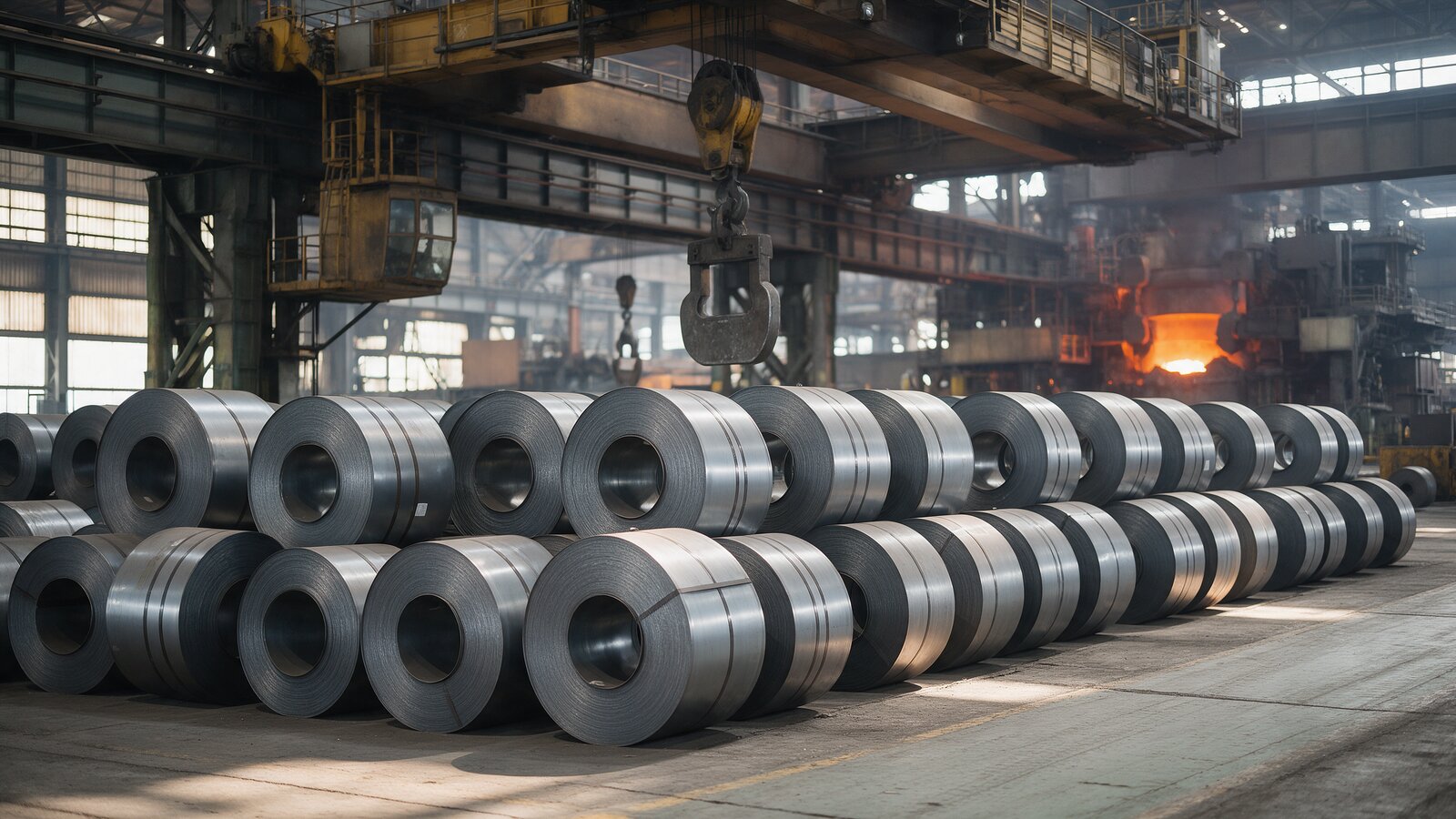
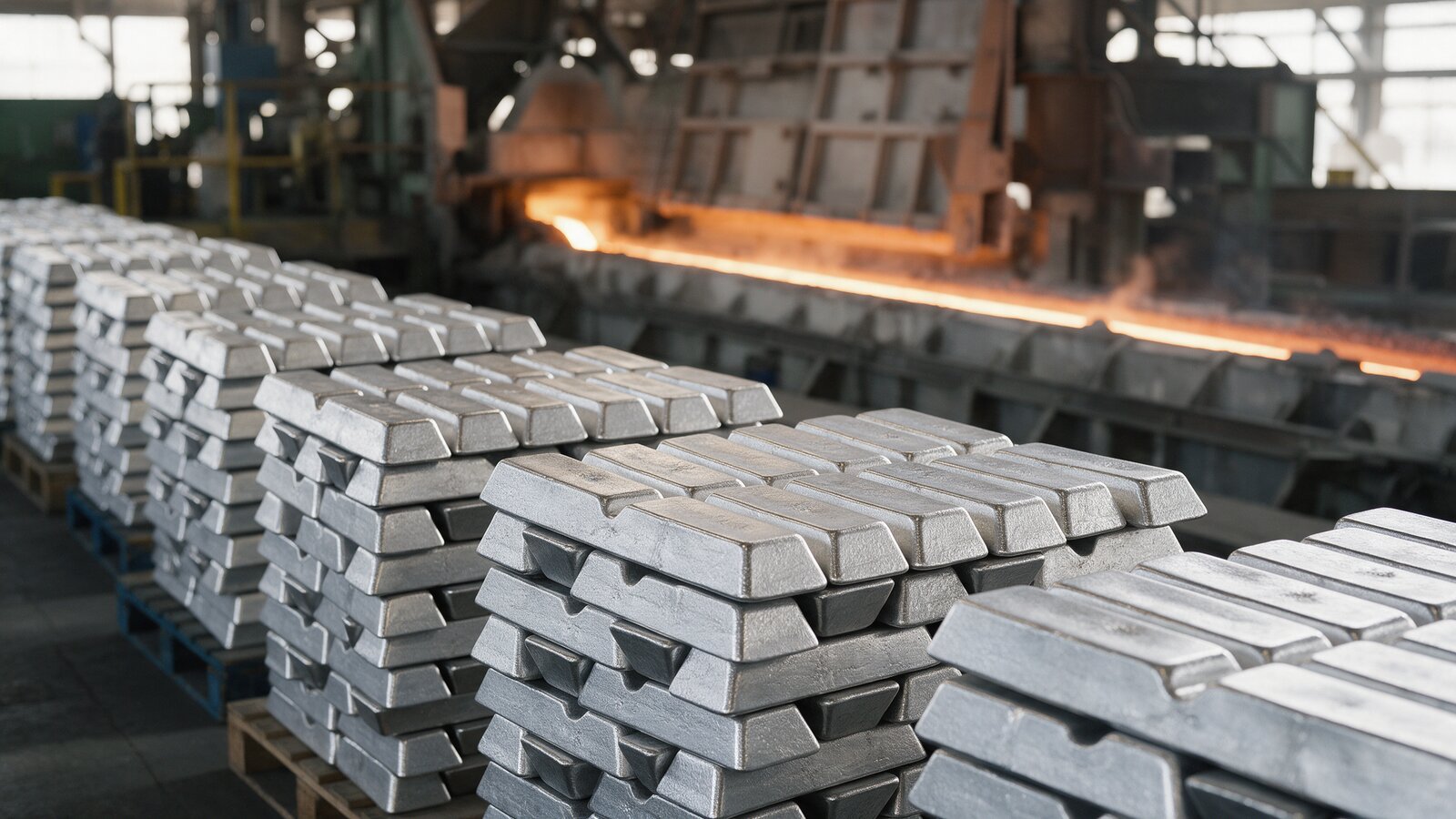
Steel Dynamics, a US steelmaker that also recycles scrap metal, makes steel products and is building an aluminium business, reported third-quarter profit of $756m, up 87% from a year earlier, on record steel shipments of 3.8 million tons. Profit per share of $5.26 was below the $5.34 to $5.38 range the company itself gave in September.
What happened
On Monday 19 October 2026, Steel Dynamics (NASDAQ: STLD) published results for the three months to 30 September 2026. Net sales, meaning the money received from customers, were $6.51bn. Net income attributable to the company was $756.0m, or $5.26 per diluted share. Diluted means the share count includes shares that could be created from options and similar awards. The company shipped 3,784,484 tons of steel, which it describes as a record, at an average external selling price of $1,400 per ton. It also bought back $275.6m of its own shares, about 1% of those outstanding, and declared a quarterly dividend of $0.53 per share. The figures are US dollars under US generally accepted accounting principles (GAAP). The release gives no adjusted profit-per-share figure, although some news reports label the $5.26 as adjusted.
The company had already told investors what to expect. In an 8-K filing in mid-September, the company's own forecast was $5.34 to $5.38 of profit per share. The reported $5.26 is $0.08 below the bottom of that range, which is 1.5% under it (0.08 divided by 5.34). One independent report, from Investing.com, cites an analyst estimate of $5.48, so profit was about 4.0% below that (5.26 divided by 5.48 is 0.960). Analyst estimates are opinions, not facts. The same report says the shares fell 8% after the results were published.
The numbers, explained
Compared with a year ago, sales rose 34.8% from $4,828.2m to $6,509.4m (6,509.4 divided by 4,828.2 is 1.348) and profit attributable to the company rose 87.3% from $403.7m to $756.0m. Profit per share rose 92.0%, from $2.74 to $5.26, slightly more than total profit because the company has fewer shares after buybacks. Compared with the second quarter, sales rose 6.9% from $6,091.6m, profit rose 41.5% from $534.1m and profit per share rose 42.6% from $3.69. Operating income, profit from running the businesses before interest and tax, was $1,006.4m, up 98.2% on a year ago ($507.8m) and 43.7% on the second quarter ($700.5m). That is an operating margin, the share of each dollar of sales kept at that stage, of 15.5% (1,006.4 divided by 6,509.4), against 10.5% a year ago and 11.5% last quarter.
The driver was the gap between what steel sells for and what the main raw material costs. The average external selling price was $1,400 per ton, against $1,298 in the second quarter and $1,119 a year ago. The average cost of ferrous scrap, the recycled steel that its furnaces melt, was $404 per ton melted, against $412 and $381. Subtracting one from the other gives a rough gap of $996 per ton, against $886 last quarter (up 12.4%) and $738 a year ago (up 35.0%). That subtraction is our own simple working, not a company measure, because it ignores other costs. Steel segment operating income was $1,032.6m, up 43.2% from $720.9m in the second quarter and about 2.1 times the $497.9m of a year ago. Total shipments rose 4.7% from 3,613,330 tons a year ago and 1.2% from 3,741,340 tons last quarter.
Not every part improved. Steel fabrication, which turns steel into building components, earned $90.6m of operating income, up from $84.6m in the second quarter but 15.3% below the $107.0m of a year ago. Metals recycling earned $33.0m, down from $47.8m last quarter. The new aluminium business lost $26.2m at the operating level, an improvement of 21.6% on the $33.4m loss in the second quarter; the company blamed lower volumes on a rolling-coolant problem it says has been fixed. Net interest expense was $39.3m against $13.6m a year ago, and the profit-sharing expense paid to staff was $81.3m against $42.4m. Cash from operations was $845.8m, up 17.0% from $722.6m; after capital spending of $149.6m, that leaves about $696.2m (our own subtraction). The company held $928.6m in cash and had $4,183.0m of long-term debt at 30 September.
Why it matters
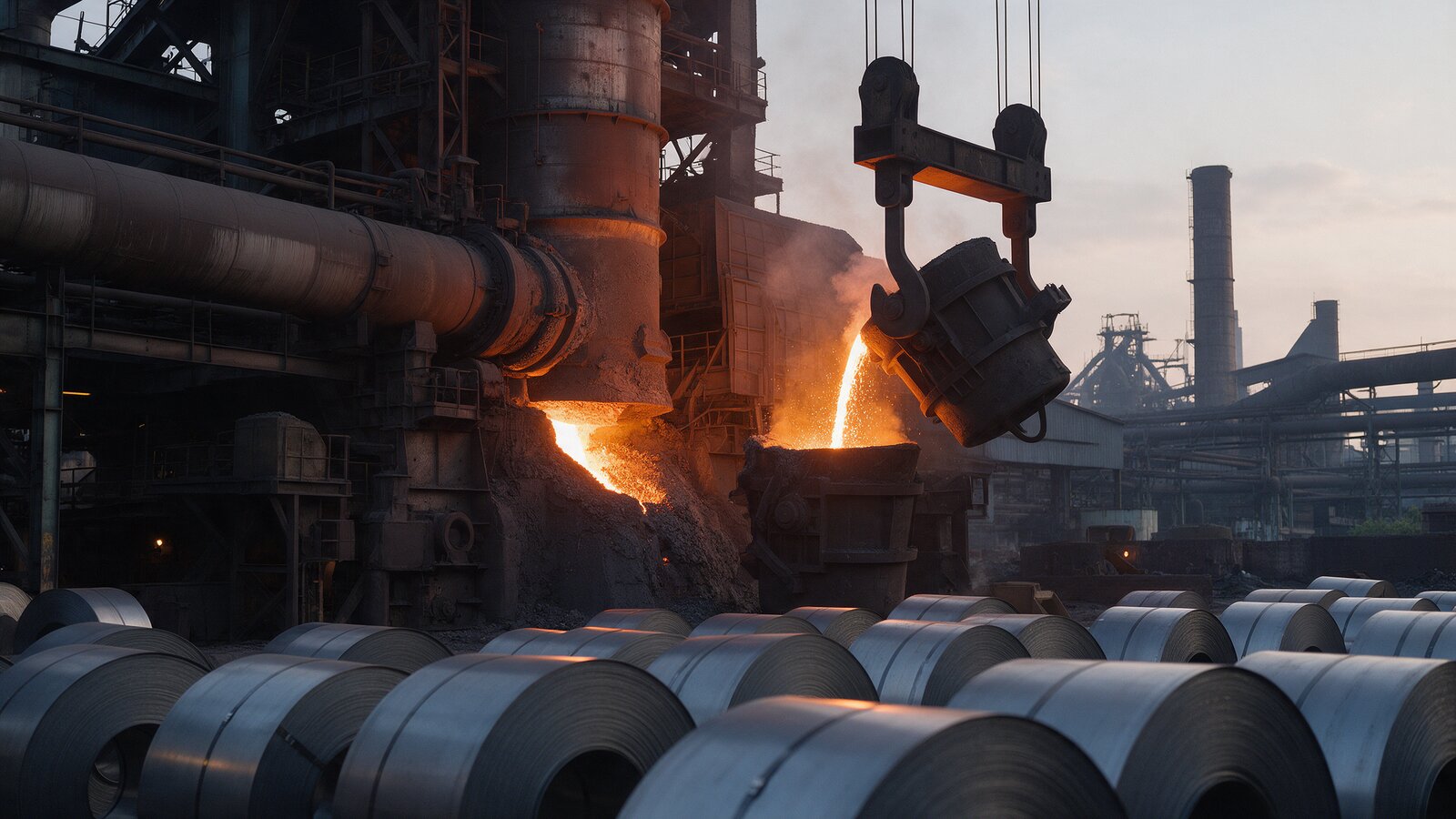
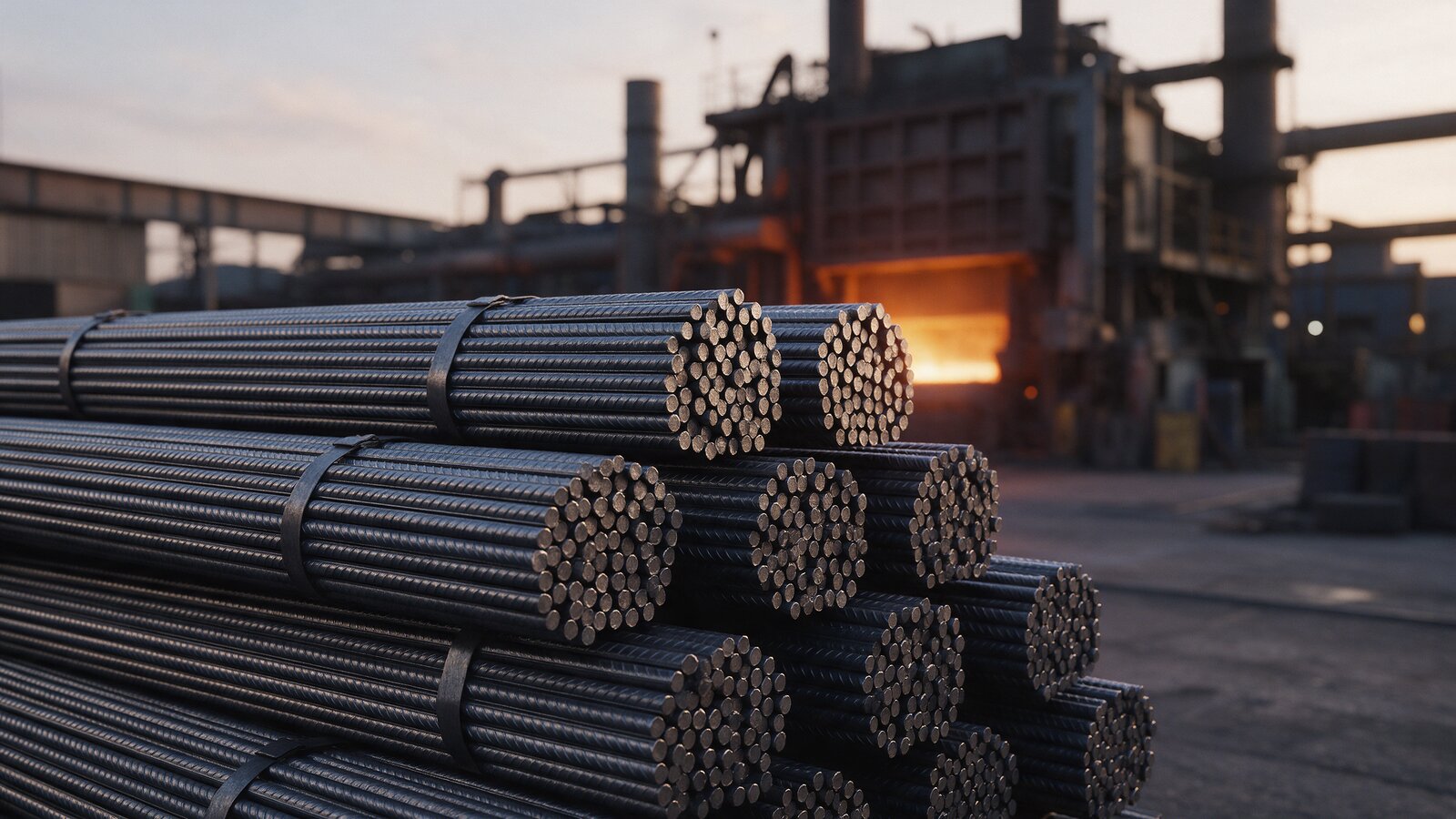
Steel Dynamics makes most of its money by melting scrap in electric arc furnaces, which use electricity rather than coal-fired blast furnaces, and rolling it into products such as the flat steel used in cars and appliances, the beams used in buildings and the rails used on railways. Its profit depends less on the headline steel price than on the gap between that price and its costs. This quarter that gap widened, which is why profit grew far faster than sales. CEO Mark Millett said in the release that domestic demand was supported by low customer inventories and that long-product demand, especially structural steel and rail, remained very strong. The release also credits recent trade actions with reducing imports of coated flat steel. That is the company's own view of its market, not an independent finding.
The wider read is that US steel buyers were still paying higher prices in the summer of 2026, and that producers with their own scrap supply could keep more of each sale. Rivals that depend on imported steel or on higher-cost production would face a different squeeze, though this release says nothing about them. The aluminium plant matters for a different reason: it is a large new investment that has not yet earned a profit, and it explains part of the gap between total profit and the steel segment's profit. Our commentary: the quarter combined very strong year-on-year growth with a result slightly under the company's own forecast, so the news is mixed rather than uniformly good.
What to watch next
The company holds its results conference call on Tuesday 20 October 2026 at 11:00 a.m. Eastern time, with a replay available until 27 October. It gave no numerical forecast for the fourth quarter or the full year. It did say that it expects aluminium volumes and profit to improve in the fourth quarter and through 2027, that its first aluminium coating line should ship car-industry products before the end of 2026, and that a second line should start operating in early 2027. It also reports that the order backlog in steel fabrication is 50% higher than a year ago and extends into the second quarter of 2027. These are company statements about plans, not results. The next quarterly results will show whether the widened gap between steel prices and scrap costs held.
- Electric arc furnace: a furnace that melts scrap steel using electricity
- Operating income: profit from running the businesses before interest and tax
- Backlog: orders received but not yet delivered
Sources
- Steel Dynamics Reports Third Quarter 2026 Results (company release, 19 October 2026)
- Steel Dynamics Form 8-K with Q3 2026 earnings guidance (SEC, September 2026)
- Steel Dynamics Reports Third Quarter 2026 Results (PR Newswire)
- Steel Dynamics stock slides 8% as Q3 earnings disappoint despite record shipments (Investing.com via Yahoo Finance)
- MarketScreener: Steel Dynamics reports earnings for the third quarter and nine months
More on Steel Dynamics (STLD) · Energy & Commodities takes
For information only. Not financial advice. See our disclaimer and editorial standards. Spotted an error? Tell us.