Novo Nordisk (NVO): Wegovy pill sales reach DKK 5.4bn in the quarter and the company raises its 2026 forecast again
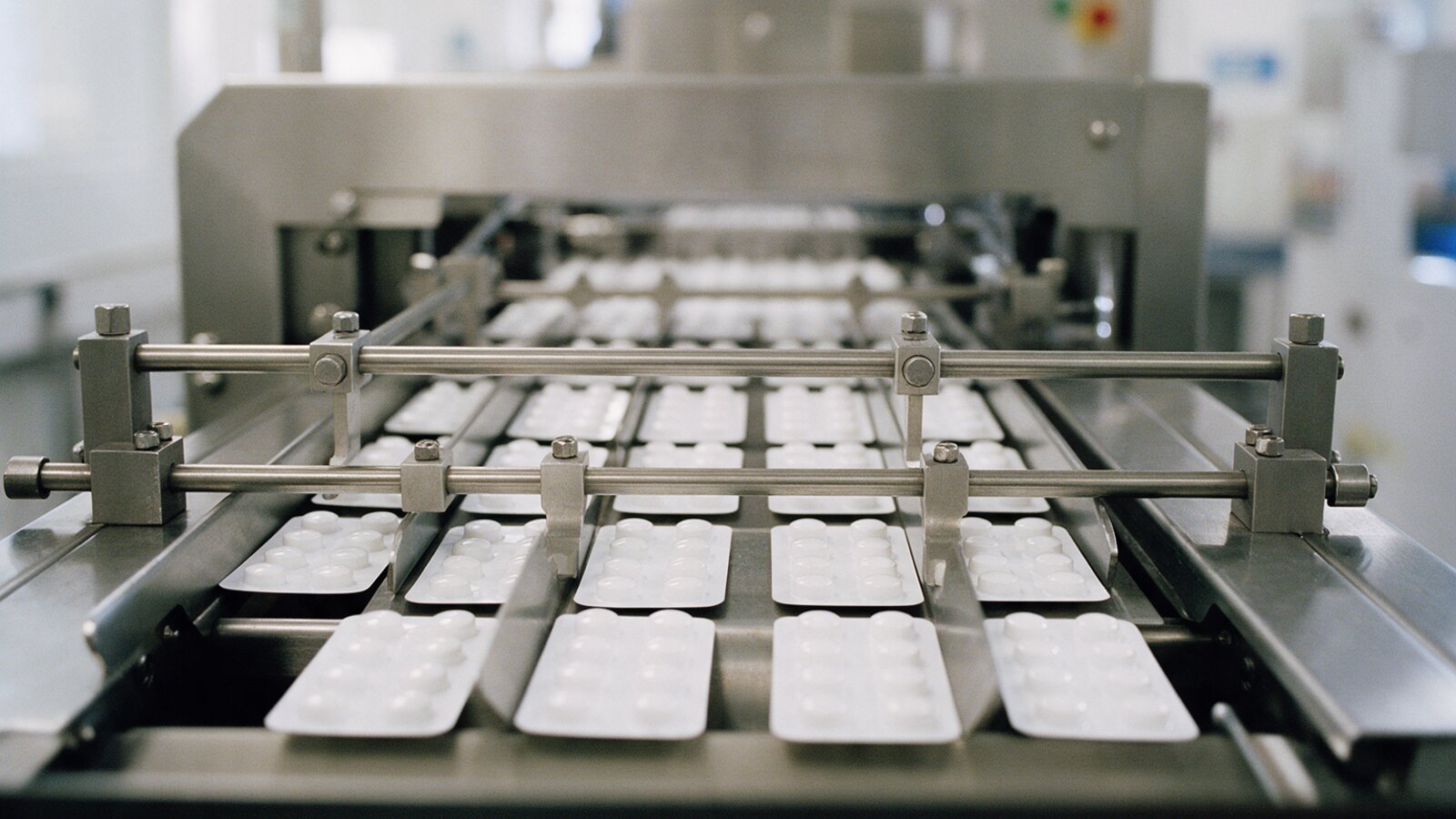
Novo Nordisk, the Danish maker of the Ozempic and Wegovy weight-loss and diabetes drugs, said its new Wegovy pill brought in DKK 5.4bn (about $810m) in the three months to 30 September 2026. It raised its own forecast for 2026 for the third time this year. Adjusted operating profit rose 27% at constant exchange rates, but profit on the standard accounting basis fell.
What happened
On Wednesday 4 November 2026 Novo Nordisk published results for the third quarter and the first nine months of 2026. Sales were DKK 79,195m, up 6% in Danish kroner and 4% at constant exchange rates (CER, which strips out currency swings so that business growth can be seen on its own). Wegovy pill, the once-daily tablet version of the obesity drug that launched in January, made DKK 5,394m, of which DKK 4,178m came from the US and DKK 1,216m from other markets (4,178 + 1,216 = 5,394). The company raised its 2026 outlook for adjusted sales and adjusted operating profit to a range of -2% to +2% at CER, from -6% to 0% set on 4 August. It said the change is mainly driven by higher expectations for sales of its GLP-1 medicines, the class of drugs that includes Ozempic and Wegovy.
The numbers, explained
Operating profit is what is left from sales after the costs of making, selling and researching the drugs. Adjusted operating profit was DKK 31,720m, up 34% in kroner and 27% at CER. Working back, that implies about DKK 23.7bn a year earlier (31,720 divided by 1.34), a figure we calculated and the company does not state. The jump is flattered by a weak base: the company says the third quarter of 2025 included about DKK 9bn of company-wide restructuring costs. Adjusted operating profit equals 40% of sales (31,720 divided by 79,195). On the standard reported basis, operating profit was DKK 23,011m, down 3% in kroner and 9% at CER, which is 29% of sales. The gap of DKK 8,709m is non-cash write-downs: DKK 4,648m on ziltivekimab, a drug in development, and DKK 4,061m for right-sizing the factory network (4,648 + 4,061 = 8,709).
Net profit was DKK 16,740m, down 16%, and diluted profit per share was DKK 3.79, also down 16%. Adjusted net profit was DKK 25,602m, down 12%, with adjusted profit per share of DKK 5.79. For the first nine months, reported sales were DKK 254,506m, but that includes a DKK 26,760m one-off, non-cash reversal of a provision for a US drug-pricing programme called 340B, booked in the first quarter. Removing it leaves adjusted sales of DKK 227,746m (254,506 minus 26,760), which is flat in kroner and up 2% at CER. Wegovy injections made DKK 20,407m in the quarter (-2% at CER) and Ozempic DKK 29,706m (-5% at CER), so the pill is offsetting weakness in the older products. All figures are in Danish kroner; the pill figure in dollars is an outlet's conversion.
Why it matters
Novo makes money by selling medicines for diabetes and obesity, and for several years it was the clear market leader. In 2026 its sales have been under pressure from lower US prices and competition, so this quarter matters mainly as evidence that a new product can fill the gap. A pill is easier to take than an injection and easier to ship, and Novo says it expects to sell the pill in more than 20 markets in 2027. According to Reuters, as relayed by Value the Markets, analysts had expected pill sales of DKK 4.62bn, adjusted operating profit of DKK 28.39bn and total sales of DKK 73.22bn; another outlet, BioPharma Dive, cites a Jefferies average of DKK 4.96bn for the pill. Those are analyst estimates, not facts, and they differ by source. Against the first set, adjusted operating profit came in 11.7% higher (31.72 divided by 28.39, minus 1).
The picture is not simply good news. Reported profit fell, the older injections are shrinking, and the company says its improved outlook still allows for sales anywhere from 2% lower to 2% higher this year, so it is forecasting roughly flat business at best. BioPharma Dive notes that the company has also had pipeline setbacks, patent expirations coming and a change of finance chief, with Luigi La Corte succeeding Karsten Munk Knudsen. Rivals in obesity drugs, and the health systems and insurers that pay for these medicines, will watch how quickly the pill is taken up and at what price.
What to watch next
Novo's next major report is its full-year 2026 results. Third-party calendars point to early February 2027, but they disagree on the day (2 or 3 February), and we have not confirmed a date from the company, so we state none. Before then the company has said further launches of the Wegovy pill are planned in the fourth quarter. It is also running a share buyback of up to DKK 15bn over twelve months from 4 February 2026; by 2 November 2026 it had bought back 41,714,179 B shares for DKK 11.56bn. The company's own 2026 forecast of -2% to +2% adjusted growth at CER is a forecast, not a result, and it may change again.
- CER: constant exchange rates, which removes the effect of currency moves
- Adjusted: figures that leave out items the company treats as one-offs, such as the 340B reversal
- GLP-1: the class of drugs, including Ozempic and Wegovy, that mimic a gut hormone to lower blood sugar and appetite
Sources
More on Novo Nordisk (NVO) · Healthcare takes
For information only. Not financial advice. See our disclaimer and editorial standards. Spotted an error? Tell us.