Alphabet (GOOGL): Revenue up 25% to $127.6bn as Google Cloud doubles, but Search grows slower than expected and cash flow turns negative
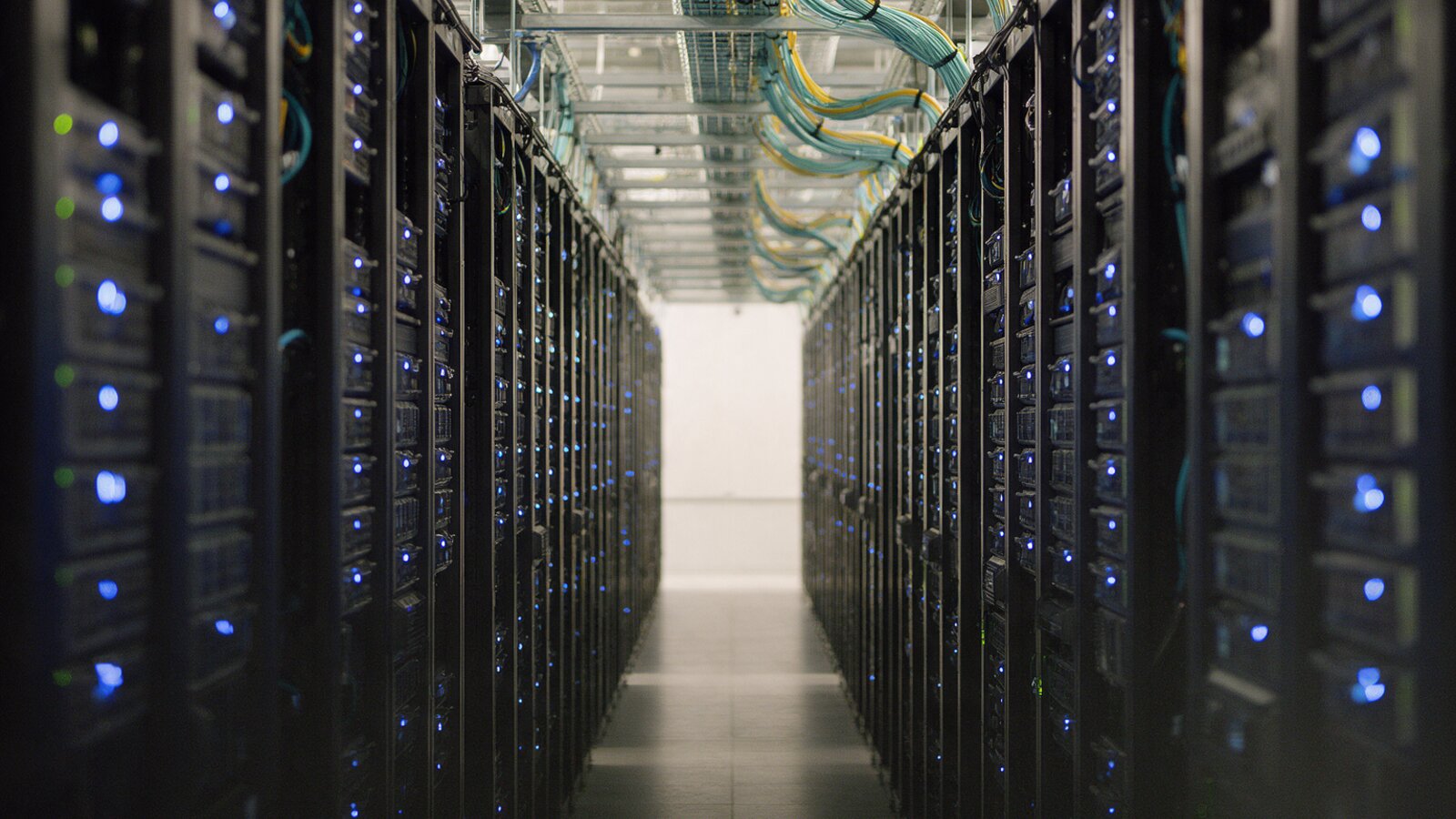
Alphabet, the parent of Google, reported revenue of $127.6bn for the three months to 30 September 2026, up 25% on a year ago, with Google Cloud revenue up 103% to $30.7bn. Profit per share fell to $2.12 from $2.87 because of an $8.7bn paper loss on investments, and spending on equipment more than doubled, leaving free cash flow negative.
What happened
On Wednesday 28 October 2026 Alphabet published results for the quarter ended 30 September 2026. Revenue was $127,577m, up from $102,346m a year earlier, a rise of $25,231m or 24.7% (the company rounds this to 25%). Operating income, the profit from running the business before interest and tax, was $40,576m, up 29.9% from $31,228m. The star of the quarter was Google Cloud, the division that rents computing power and AI tools to businesses: its revenue rose from $15,157m to $30,709m, a gain of 102.6%, which the company rounds to 103%. Google Services, which holds Search, YouTube and subscriptions, grew 10.6% to $96,302m. Alphabet also said its Gemini app has reached one billion users.
The numbers, explained
Net income available to common stockholders, the profit after all costs and tax, was $26,170m against $34,979m a year ago, a fall of 25.2%, and diluted profit per share was $2.12 against $2.87, down 26.1%. The reason sits below the operating line. Alphabet reported other income and expense of a $8,221m loss, against a $12,759m gain a year earlier, mainly because its holdings of shares in other companies fell in value. The company states that the $8.7bn loss on equity securities cut net income by $6.7bn and profit per share by $0.55. Adding that back gives $2.67 (2.12 plus 0.55), our own working and not a company figure. Operating margin, the share of each $1 of sales kept as operating profit, was 31.8% (40,576 divided by 127,577) against 30.5% a year ago (31,228 divided by 102,346).
Inside the segments, Google Cloud's operating income rose from $3,594m to $11,121m, about 3.1 times, and its margin was 36.2% (11,121 divided by 30,709) against 23.7% a year ago (3,594 divided by 15,157). Google Search and other advertising, Alphabet's largest line, rose 12.0% from $56,567m to $63,350m. YouTube advertising rose 9.2% to $11,207m. Alphabet-level activities, which mainly hold shared AI research costs, lost $7,655m against $4,467m a year ago. Cash tells a different story from profit. Net cash from operating activities was $42,290m against $48,414m, down 12.6%, while purchases of property and equipment were $51,355m against $23,953m, up 114.4%. Free cash flow, cash from operations minus that spending, was therefore negative $9,065m, against a positive $24,461m a year ago.
Why it matters
Alphabet earns most of its money from advertising shown beside Google searches and on YouTube, and it is now also a large seller of computing power. Cloud doubling is the clearest sign that businesses are paying for artificial intelligence infrastructure. On the company's earnings call, management said Google Cloud's backlog, the value of signed contracts not yet recognised as revenue, was $561bn, and that it expects to recognise just over 55% of it as revenue over the next 24 months. The press release also says sales of Alphabet's own AI chips, called TPUs, were a meaningful contributor to Cloud growth. For rivals, this puts Alphabet's cloud in direct competition with Microsoft, whose Azure grew 48% in its latest quarter.
The market-facing detail is that Search, the core business, came in below what analysts expected. Fortune reported that analysts had expected Search growth of about 15% and total revenue of $127.9bn, and another outlet, FinanceFeeds, reported a Search consensus of about $65.0bn against the $63.35bn reported. Those are analyst estimates, which vary by provider, not company facts. Both outlets reported that shares fell more than 10% in after-hours trading on the news. Management said on the call that the build-out will keep weighing on profit through higher depreciation, the accounting charge that spreads the cost of equipment over its useful life. Alphabet also paid for growth by raising money: it issued senior notes for net proceeds of $28.7bn and sold $12.4bn of shares through an at-the-market programme (4.3 plus 8.1) during the quarter.
What to watch next
Alphabet kept its 2026 capital expenditure forecast, its own spending plan for equipment and buildings, at $195bn to $205bn, and said on the call that spending will increase significantly in 2027, with more detail promised on its fourth-quarter call. Dated events in the release are the quarterly cash dividend of $0.22 per share on Class A, B and C shares, payable on 14 December 2026 to holders of record on 7 December 2026, and the preferred stock dividend payable on 15 November 2026. The company has not stated a date for its fourth-quarter results in the sources we read, so check its investor relations site. Facts to follow are whether free cash flow stays negative while equipment spending is this high, whether Search growth recovers, and how quickly the Cloud backlog turns into revenue. These are things to follow, not predictions.
- Google Cloud: Alphabet's division renting computing power, data storage and AI tools to businesses
- Backlog: signed customer contracts whose revenue has not yet been recognised
- Free cash flow: cash from operations minus spending on equipment and buildings
- Capex: capital expenditure, the money spent on equipment, data centres and buildings
Sources
More on Alphabet (GOOGL) · Technology & AI takes
For information only. Not financial advice. See our disclaimer and editorial standards. Spotted an error? Tell us.